-
Cúrsaí
Cúrsaí
Tá roghnú cúrsa léinn ar cheann de na cinntí is tábhachtaí dá ndéanfaidh tú choíche! Féach na cúrsaí atá againn anseo agus an méid a deir mic léinn agus léachtóirí faoi na cúrsaí sin a bhfuil spéis agatsa iontu.
-
Saol na hOllscoile
Saol na hOllscoile
Chuile bhliain roghnaíonn os cionn 4,000 duine Ollscoil na Gaillimhe mar chéad rogha. Faigh amach faoin saol in Ollscoil na Gaillimhe anseo.
-
Eolas Fúinn
Eolas faoi Ollscoil na Gaillimhe
Bí ar an eolas faoin Ollscoil seo agus na fáthanna a bhfuil sí chomh speisialta sin – an stair thar a bheith spéisiúil a bhaineann leis an Ollscoil agus an nuacht is déanaí agus na hócáidí atá ar na bacáin.
-
Coláistí & Scoileanna
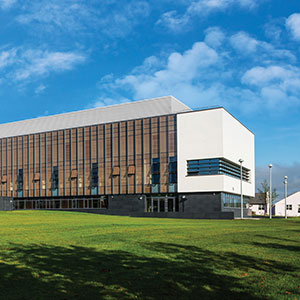
Coláistí & Scoileanna
Tá aitheantas idirnáisiúnta bainte amach ag Ollscoil na Gaillimhe mar ollscoil atá á treorú ag an taighde agus rún daingean aici teagasc den chéad scoth a chur ar fáil i réimsí éagsúla saineolais.
-
Taighde
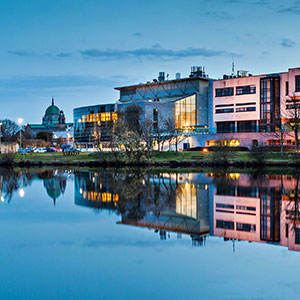
Nithe Fónta á gCruthú as Smaointe Úra
Tugann ár dtaighdeoirí aghaidh ar chuid de na dúshláin is práinní san 21ú Céad.
-
Gnó & Tionscal
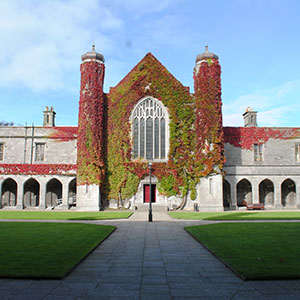
Tacaíocht do Thaighde Úrnua in Ollscoil na Gaillimhe
Déanaimid deiseanna tráchtála a chuardach agus a chothú don phobal taighde in Ollscoil na Gaillimhe, mar aon le comhpháirtíocht tionsclaíochta a chothú.
-
Alumni, Cairde & Lucht Tacaíochta
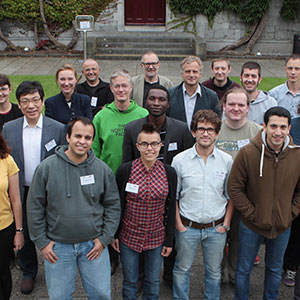
Alumni, Cairde & Lucht Tacaíochta
Tá os cionn 90,000 céimí de chuid Ollscoil na Gaillimhe ann ar fud an domhain. Déan nasc linn agus beidh teacht agat ar an gcomhphobal sin ar líne.
-
Rannpháirtíocht Pobail
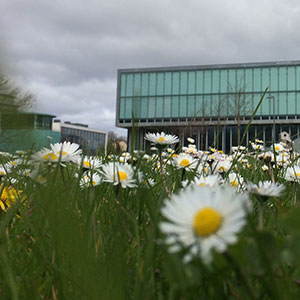
Rannpháirtíocht sa Phobal
In Ollscoil na Gaillimhe, creidimid go n-éireoidh níos fearr leat más féidir leat an méid a fhoghlaimíonn tú a chur i bhfeidhm i do shaol féin. Is mar gheall air sin go bhfuil béim mhór ar shocrúcháin oibre nó ar thionscadail phobail i gcuid mhór dár gcúrsaí.








Latest University News
19 October 2026
Four generations of women share a University of Galway connection
A family’s connection with University of Galway spans more than 90 years and four generations of women.
Hannah Clarke, from Banagher, Co Offaly, graduated today with a Bachelor of Arts in History and Politics. She follows in the footsteps of her great-grandmother, grandmother and mother.
Her great-grandmother, Mary C. Whyte, later Mary Dwyer, from Tuam, Co Galway, graduated with a Bachelor of Commerce in 1934. Her grandmother, Margaret Moloney, also from Tuam, received a Certificate in Social Studies in 1996, while her mother, Anne Clarke, from Banagher, Co Offaly, graduated with a First-Class Honours Executive MBA in 2025.
After the ceremony, the family visited the University Library, where they were shown Mary C. Whyte’s signature in the student register from when she first enrolled at the University.
Hannah said: “Today I became the fourth generation of my family to study here at University of Galway. The women who came before me have been a true inspiration. Walking around the college over the last three years, knowing that my great grandmother, grandmother and mother walked the same paths that I did, every day, was an inspiration.”
Margaret Moloney, Hannah’s grandmother said: “My mother graduated from here in 1934 with a BComm and she went on to work in accountancy for Coca Cola in Tuam, and I graduated from here in 1996 with Social Studies. My mother was a very unassuming and humble person. She never bragged about anything, and she loved education. Today is the first time I ever saw her name here in the register in University of Galway and it brought tears to my eyes to see her name because we always knew about it, but she never bragged. She let us all choose our own paths and what we did. There were six of us and our father died when we were young, so she had to work and provide for us. In fact, she worked two jobs to rear us. She was a wonderful woman.”
Hannah’s mother Anne Clarke said: “I graduated from University of Galway last year, so I am third generation of Dwyer women to graduate here. It was a really emotional day to see my mom crying seeing her own mother’s name in the book. Our grandmother has always been our aspiring hero, because from a very young age we knew she’d been in college. Third-level education was a given. There was no finishing at Leaving Cert. We were all going to college. To follow, and to know that you stand on the shoulders of the legacy of the women who went before you, is truly humbling and amazing.”
Ends
19 October 2026
Tús le comhpháirtíocht straitéiseach don chultúr agus don oideachas idir an Ollscoil agus an Músaem
Meallann taispeántas comhoibrithe idir Ollscoil na Gaillimhe agus Músaem Cathrach na Gaillimhe – ‘Scéalta ó na Marthanóirí: Stair Institiúideach Thuama agus na hÉireann’ beagnach 64,000 cuairteoir
Tá comhpháirtíocht straitéiseach nua curtha ar bun ag Ollscoil na Gaillimhe le Músaem Cathrach na Gaillimhe chun comhoibriú ar thionscnaimh oideachais agus chultúrtha ardtionchair.
Ag an ócáid oifigiúil ag ar síníodh an chomhpháirtíocht, bhuail an tOllamh David Burn, Uachtarán Ollscoil na Gaillimhe agus Leonard Cleary, Príomhfheidhmeannach Chomhairle Cathrach na Gaillimhe le daoine a tháinig slán ó institiúid Máithreacha agus Naíonán Thuama chun tuairimí, machnaimh agus aiseolas na gcuairteoirí a bailíodh ag an taispeántas, Scéalta ó na Marthanóirí: Stair Institiúideach Thuama agus na hÉireann a léamh.
Is comhoibriú idir Ollscoil na Gaillimhe agus Músaem Cathrach na Gaillimhe atá sa taispeántas cumhachtach seo a bhí ar siúl idir an 1 Iúil agus an 26 Meán Fómhair 2026. Comhchruthaíodh é i gcomhar le Tionscadal Béaloidis Thuama de chuid Ollscoil na Gaillimhe, atá á stiúradh acu siúd a tháinig slán, agus is é an chéad tionscnamh tiomnaithe músaeim é a dhíríonn ar institiúidí Máithreacha agus Naíonán agus an tionchar a bhí acu ar shochaí na hÉireann. Thug beagnach 64,000 duine cuairt ar an taispeántas.
Bhuail an tUachtarán Burn agus an tUasal Cleary le grúpa turasóirí ó Mheiriceá a thaistil go Gaillimh chun éisteacht lena dtuairimí tar éis dóibh an taispeántas a fheiceáil. Thug 29 grúpa turasóireachta as na Stáit Aontaithe cuairt ar an taispeántas Scéalta ó na Marthanóirí, agus tá pleananna ar bun anois an taispeántas a thabhairt ar camchuairt in 2027.
Chomh maith leis sin, thaistil daoine a tháinig slán ó institiúidí eile go Gaillimh lena dteaghlaigh chun an taispeántas a fheiceáil agus a úsáid mar dheis chun a stair phearsanta féin a phróiseáil. Léirigh an t-aiseolas a fuarthas ag an taispeántas ón mbosca tuairimí cé chomh cumhachtach is atá an taispeántas, ag spreagadh mothúcháin éagsúla lena n-áirítear brón agus fearg mar gheall ar ghníomhartha an Stáit agus institiúidí reiligiúnacha maidir leis an gcaoi ar caitheadh le mná agus naíonáin le linn na tréimhse sin.
Dúirt an tOllamh David Burn, Uachtarán Ollscoil na Gaillimhe: “Tá áthas orainn an chomhpháirtíocht straitéiseach cúig bliana seo a bhunú le Músaem Cathrach na Gaillimhe. Tá naisc láidre chultúrtha, oideachais agus taighde idir Ollscoil na Gaillimhe agus Músaem Cathrach na Gaillimhe agus is iontach an rud é an chomhpháirtíocht chomhoibríoch thábhachtach seo a fhorbairt go foirmiúil.
“Is samplaí iontacha atá i dtaispeántas na hinstitiúide Máithreacha agus Naíonán agus taispeántas Teicneolaíochta Leighis FORDHAONNA i Músaem Cathrach na Gaillimhe den chaoi ar féidir linn lucht féachana i bhfad níos leithne a mhealladh agus dul i ngleic leo tríd an gcomhpháirtíocht chomhchruthaitheach seo a bhfuil tionchar tábhachtach aici ar shaol na ndaoine, agus a shaibhríonn taithí oideachais ár mac léinn agus ár ngníomhaíochtaí taighde ag an am céanna.”
Thar thréimhse cúig bliana 2026-2030, oibreoidh Ollscoil na Gaillimhe agus Músaem Cathrach na Gaillimhe le chéile ar thionscnaimh sna réimsí seo a leanas: Forbairt taispeántas; tionscadail sna daonnachtaí digiteacha; cláir phoiblí; bailiúcháin agus tionscadail oidhreachta; taighde agus foghlaim mac léinn; agus rannpháirtíocht phobail.
Dúirt Leonard Cleary, Príomhfheidhmeannach Chomhairle Cathrach na Gaillimhe: “Tá comhoibriú ar siúl idir an Músaem agus an Ollscoil ar go leor tionscnaimh dhearfacha le roinnt blianta, agus cuireann síniú na cáipéise seo leis an obair seo, agus ag an am céanna is éacht tábhachtach nua atá sa chomhpháirtíocht seo, ina bhfuilimid tiomanta do chomhordú straitéiseach agus comhroinnt acmhainní ar leibhéal níos mó.
“Cuireann an síneadh agus an athfhorbairt atá á déanamh ar an músaem, a bhfuil tacaíocht mhór €12.3 milliún faighte ina leith ó Fáilte Ireland, deis iontach ar fáil chun uaillmhianta ár gcomhpháirtíochta leis an Ollscoil a mhéadú, saineolas agus acmhainní a roinnt chun taispeántais, tionscadail agus cláir phoiblí den scoth a chomhchruthú ar mhaithe lenár gcuairteoirí, mic léinn agus an pobal i gcoitinne.”
Cuirfidh an chomhpháirtíocht nua creat ar fáil chun naisc idir an dá pháirtí a neartú chun comhoibriú a dhéanamh ar thionscadail a bhfuil tábhacht straitéiseach chomhroinnte leo.
I measc na dtionscadal i gceist, áirítear iad seo a leanas:
Forbairt an Taispeántais FORDHAONNA – Taispeántas soghluaiste a fhorbairt as an taispeántas reatha Teicneolaíochta Leighis i Músaem Cathrach na Gaillimhe, arna fhorbairt i gcomhar le Rinn Medical Devices in Ollscoil na Gaillimhe, a chuireann forbairt na Gaillimhe agus na hÉireann mar mhol Teicneolaíochta Leighis os comhair an phobail.
‘Stair Institiúideach na Gaillimhe a Mhapáil’ – forbairt ar olltaispeántas a bhaineann le stair níos leithne na n-institiúidí i nGaillimh.
Clár Comórtha Céad Bliain ar Phádraic Ó Conaire – Pleananna a fhorbairt do chlár rannpháirtíochta poiblí in 2028 chun ceiliúradh a dhéanamh ar shaothar an scríbhneora Gaeilge, Pádraic Ó Conaire.
Bailiúcháin agus Rochtain Dhigiteach – Deiseanna a aithint maidir le comhoibriú ar chartlanna agus ar dhigitiú a thacaíonn le tionscnaimh sna daonnachtaí digiteacha a úsáideann teicneolaíocht chun oidhreacht chultúrtha a fhiosrú, a léirmhíniú agus a roinnt.
Clár Taighde agus Rannpháirtíochta Poiblí – Pléphainéil chomhoibríocha agus imeachtaí rannpháirtíochta pobail, amhail bailiúcháin agus cláir mhúsaeim.
Críoch
19 October 2026
University and Museum unveil strategic partnership for culture and education
University of Galway and Galway City Museum collaboration - ‘Survivor Stories: Tuam and Ireland's Institutional Past’ exhibition attracts almost 64,000 visitors
University of Galway has formed a new strategic partnership with Galway City Museum to collaborate on high-impact educational and cultural initiatives.
At the official partnership signing, Professor David Burn, University of Galway President and Leonard Cleary, Galway City Council Chief Executive met with survivors from the Tuam Mother and Baby institution to read visitor comments, reflections and feedback gathered from the exhibition, Survivor Stories: Tuam and Ireland's Institutional Past.
The powerful exhibition is a University of Galway and Galway City Museum collaboration which ran from July 1 to September 26, 2026. It was co-created with University of Galway's survivor-led Tuam Oral History Project and is the first dedicated museum installation to focus on Mother and Baby institutions and their impact on Irish society. Almost 64,000 people visited the exhibition.
President Burn and Mr Cleary also met with a US tour group who travelled to Galway to hear directly about their experience after viewing the exhibition. A total of 29 US tour groups visited Survivor Stories, and plans are now underway for the exhibition to tour in 2027.
The exhibition also saw survivors of other institutions travelling to Galway with family to experience the exhibition and use it as an opportunity to process their own personal histories. Feedback received from the exhibition comments box has spoken of how powerful the exhibition is, eliciting emotional responses from sadness to rage at the actions of the State and religious institutions over the treatment of women and children during the period.
Professor David Burn, President of University of Galway, said: “We are delighted to establish this new five-year strategic partnership with Galway City Museum. University of Galway shares strong cultural, educational and research links with Galway City Museum and it is wonderful to formally develop this important collaborative partnership.
“The Mother and Baby institution exhibition and SUPERHUMAN MedTech exhibit at Galway City Museum are wonderful examples of how we can reach and engage with a much wider public audience through this co-creative partnership that impacts lives in a meaningful way, while also enriching our students’ educational experience and our research activities.”
Over a five-year period 2026-2030, University of Galway and Galway City Museum will work together on initiatives in the following areas: Exhibition development; Digital humanities projects; Public programming; Heritage collections and projects; Research and Student learning; and Community engagement.
Leonard Cleary, Chief Executive of Galway City Council, said: “The Museum and University have collaborated on many positive initiatives over the years, and the signing of this document builds on this work, while representing an important new milestone in the partnership, in which we commit to a greater level of strategic coordination and resource-sharing.
“The ongoing extension and redevelopment of the museum, supported by a major €12.3 million investment from Fáilte Ireland, presents an extraordinary opportunity to raise the ambitions of our partnership with the University, sharing expertise and resources to co-create world-class exhibitions, projects and public programmes for the benefit of visitors, students and the wider community.”
The new partnership will provide a framework to strengthen ties between the two parties to collaborate on projects of shared strategic importance.
Projects include:
SUPERHUMAN Exhibition Development - Develop a mobile exhibition of the current Medical Technology exhibit at Galway City Museum, developed with Rinn Medical Devices at University of Galway, showcasing the development of Galway and Ireland as a Medtech hub.
‘Mapping Galway’s Institutional Past’ – the development of a major exhibition on the wider history of institutionalisation in Galway.
Pádraic Ó Conaire Centenary Programme - Develop plans for a public engagement programme in 2028 to celebrate the work of Irish language writer Pádraic Ó Conaire.
Collections and Digital Access - Identify opportunities for collaboration on archives and digitisation that support digital humanities initiatives using technology to explore, interpret, and share cultural heritage.
Research and Public Engagement Programme - Collaborative panel discussions and community engagement events, such as museum collections and programmes.
Ends